Migraine vs Headache: The Differences Most People Get Wrong
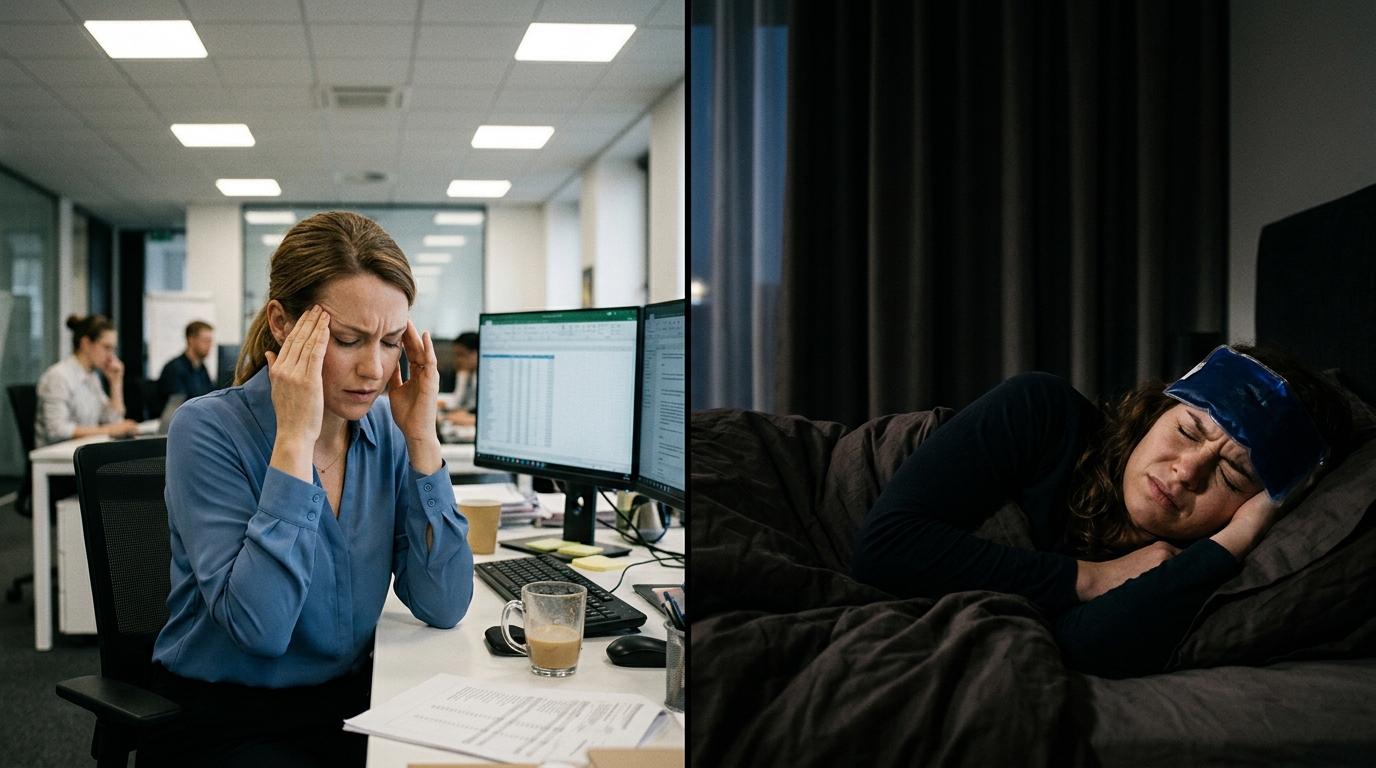
That pounding in your head right now — is it a migraine? A tension headache? Something else entirely?
Most people use "headache" and "migraine" interchangeably. They shouldn't. One is a symptom. The other is a neurological condition that affects over 1 billion people globally. And the treatment for each is completely different.
I've talked to dozens of migraine sufferers who spent years popping ibuprofen for what they thought were "bad headaches" — only to discover they'd been experiencing undiagnosed migraines the whole time. Proper diagnosis changed everything for them: better medication, better management, fewer lost days.
So here's the breakdown you actually need.
The 30-Second Version
Migraine: Throbbing pain (usually one side), nausea, can't stand light or noise, lasts 4-72 hours, movement makes it worse. This is a full neurological event.
Tension headache: Dull pressure (both sides, band-like), no nausea, mild to moderate, you can usually push through it.
Cluster headache: Excruciating piercing pain behind one eye, eye waters, nose runs, you can't sit still. Attacks come in cyclical bouts.
If you're not sure which camp you fall into, we built a free headache type quiz that walks you through it in 5 questions.
Some migraine attacks are less obvious: they can show up as silent migraine aura without head pain, or leave you with a migraine hangover after the main pain fades.
Why This Distinction Actually Matters
It's not academic. Here's what changes when you know your headache type:
Your treatment changes. Triptans — the gold standard for migraine attacks — don't work for tension headaches. And the high-flow oxygen that aborts cluster headaches in 15 minutes? Useless for migraines. Wrong diagnosis means wrong treatment means unnecessary suffering.
Your prevention strategy changes. Migraine prevention might involve beta-blockers, CGRP inhibitors, or trigger avoidance. Tension headache prevention is more about stress management, posture, and ergonomics. Cluster headache prevention requires specialized neurological care.
Your doctor takes you more seriously. Walking in and saying "I think I have migraines" with a tracking log changes the conversation. You get to the right specialist faster.
The Symptoms That Separate Them
Migraine red flags
You're likely dealing with migraines if you experience two or more of these during attacks:
- Pain on one side of your head
- Throbbing or pulsing quality
- Moderate to severe intensity
- Made worse by walking, climbing stairs, or bending over
Plus one or more of these:
- Nausea or vomiting
- Sensitivity to both light and sound
That's the simplified version of the ICHD-3 diagnostic criteria that neurologists use. If you're checking multiple boxes, talk to your doctor about migraines specifically — not just "headaches."
The aura question
About 25-30% of migraine sufferers experience aura — typically visual disturbances like zigzag lines, shimmering spots, or temporary blind spots. Aura usually starts 20-60 minutes before the pain and is one of the most reliable indicators that you're dealing with migraine, not a tension headache.
But here's what catches people off guard: you can have migraines without ever experiencing aura. Migraine without aura is actually more common than migraine with aura.
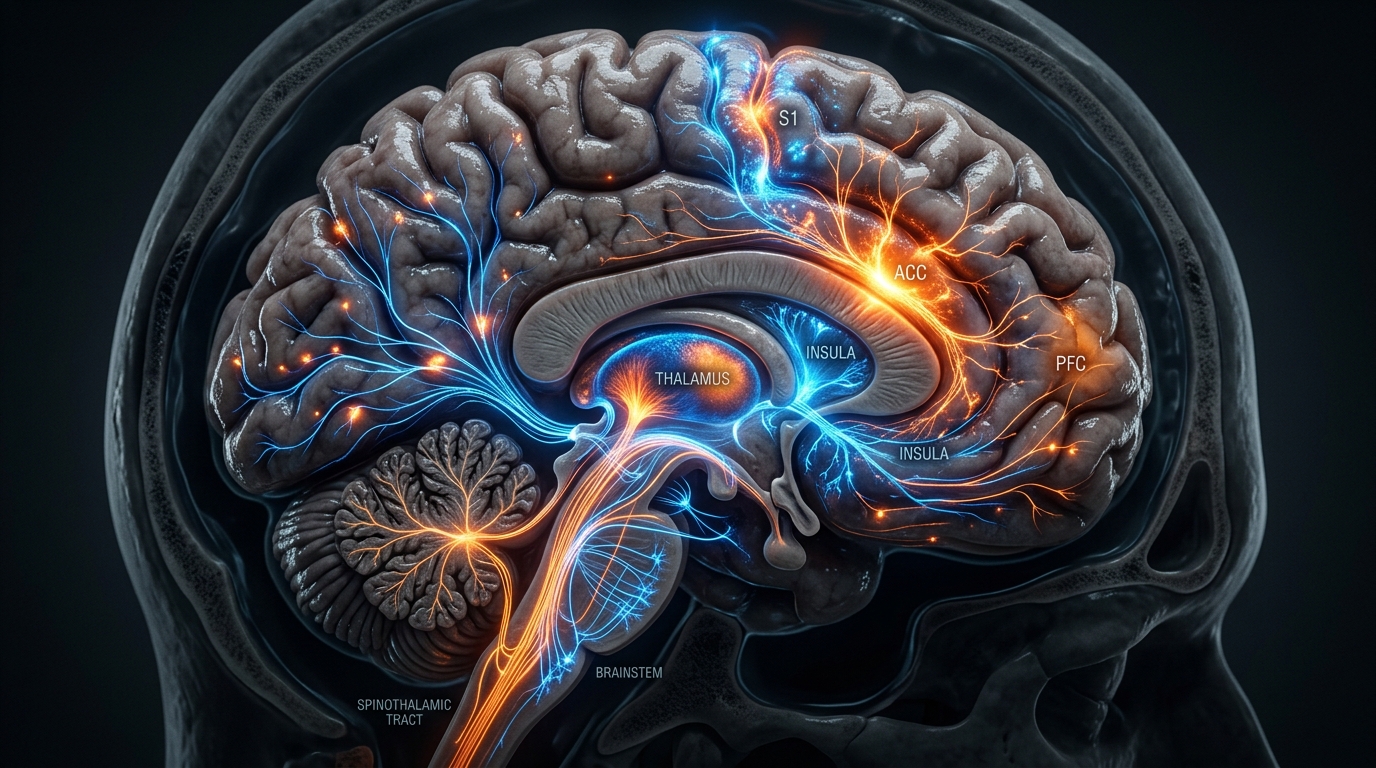
What Most People Don't Realize About Tension Headaches
Tension headaches get dismissed as "just a headache." And for occasional ones, that's fair — they're uncomfortable but manageable. The problem starts when they become chronic.
Chronic tension headache means headaches 15+ days per month. At that point, over-the-counter painkillers stop being the answer. In fact, they might be making things worse through medication overuse headache — a rebound cycle where the painkillers themselves start triggering headaches.
If you're reaching for ibuprofen or acetaminophen more than 2-3 times per week, you should track your usage and talk to your doctor. That's a pattern, not a coincidence.
The Tracking Connection
Here's where I get opinionated: regardless of your headache type, tracking it is the single highest-leverage thing you can do.
Not in a complicated, fill-out-a-20-field-form way. Just consistently noting when attacks happen, how long they last, what you were doing before, and what helped.
Patterns emerge that you'd never spot otherwise:
- Your "random" Wednesday migraines might correlate with skipped breakfast plus a late night on Monday
- Your tension headaches might cluster around specific work deadlines
- Your attacks might spike 48 hours after barometric pressure drops — something a weather-migraine tracker can flag automatically
This is exactly what tools like Claru are built for — the AI does the pattern analysis across all your logged entries so you don't have to manually cross-reference sleep, weather, food, stress, and hormones.

The Bottom Line
Don't settle for "I get headaches." Figure out which kind you get. It changes your treatment, your prevention strategy, and how your doctor approaches your case.
If you're still unsure after reading this, take the migraine vs headache quiz — 5 questions, 2 minutes, instant results.
And whatever your type turns out to be: start tracking it. Future you will thank present you when you walk into your next doctor's appointment with actual data instead of a vague "they happen sometimes."
Sources: International Headache Society (ICHD-3), American Migraine Foundation, World Health Organization Global Burden of Disease Study.