Foods That Cause Migraines: The Complete Trigger Food Guide
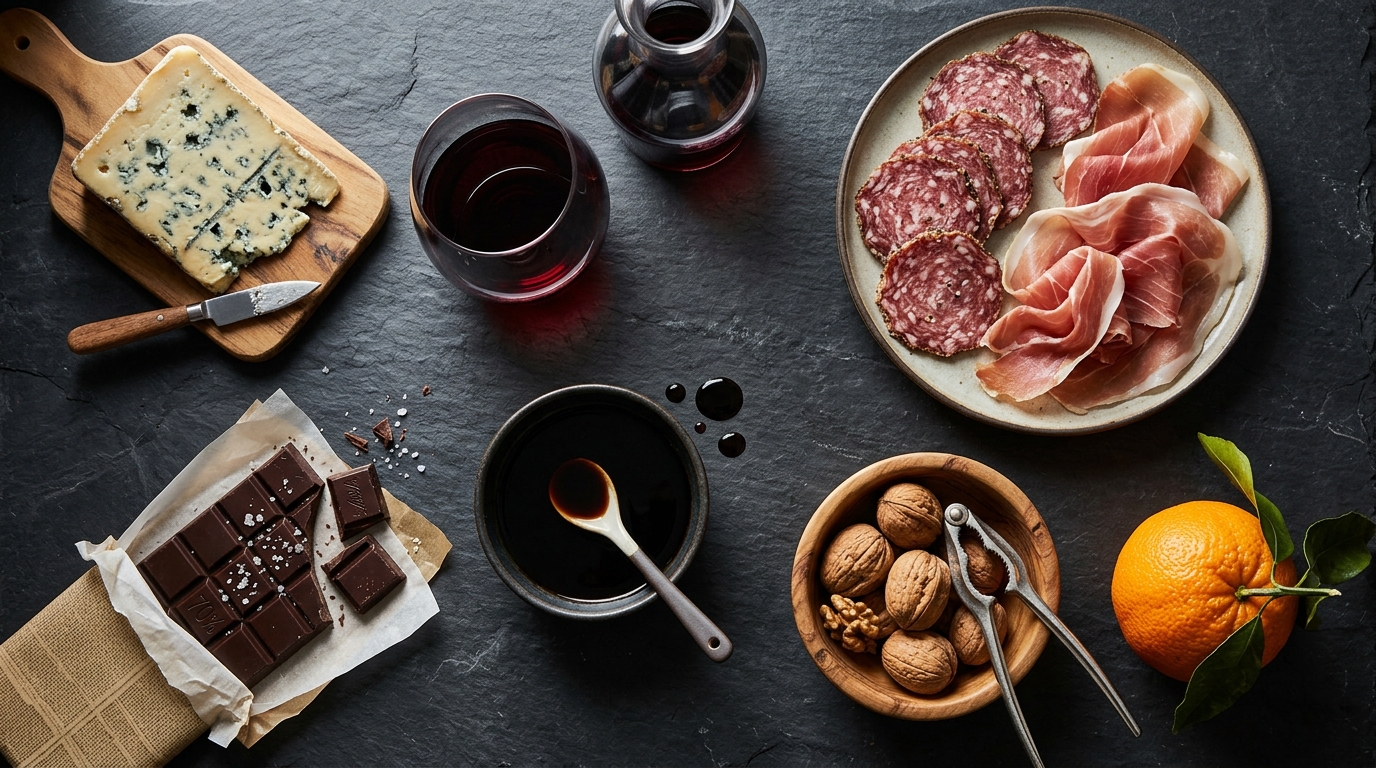
You ate something, and now your head is splitting. You're almost sure the food caused it. But which food? The cheese on your sandwich? The glass of wine with dinner? The chocolate you had at 3 PM?
Here's the frustrating truth about food and migraines: not every trigger food affects every person. Red wine might devastate one person and be perfectly fine for another. Aged cheese could be your kryptonite while your friend eats it daily without a hint of pain.
That's why generic "avoid these foods" lists are only half-useful. You need the full picture of what can trigger migraines and why — so you can run your own elimination experiments and find your actual triggers instead of needlessly cutting foods you love.
Want the quick version? Try our interactive food trigger checker — search 35+ foods by name or compound and check off the ones you eat regularly.
For a broader view of possible influences around an attack, you can also use a migraine trigger tracker to log food alongside sleep, stress, hydration, and symptoms.
You can also start with the broader common migraine triggers guide, which groups food with sleep, stress, weather, hormones, and routine changes.
Why Certain Foods Trigger Migraines
Before the list, you need to understand the four main chemical culprits. Almost every food trigger works through one of these mechanisms:
Tyramine
Tyramine forms when the amino acid tyrosine breaks down, and it accumulates as food ages, ferments, or sits for long periods. It triggers migraines by causing blood vessels to first constrict, then rapidly dilate — and that sudden dilation is what sets off the pain cascade.
Key fact: Tyramine levels increase the longer food is stored. A fresh piece of chicken has almost no tyramine. The same chicken as leftovers on day three? Significantly more.
Histamine
Histamine is released during allergic reactions, but it's also present in certain foods — especially fermented ones. Some people lack enough of the enzyme diamine oxidase (DAO) to break down dietary histamine efficiently. The result: histamine builds up in the bloodstream and triggers headaches, flushing, and nasal congestion.
Nitrates and Nitrites
These preservatives are found in processed and cured meats. They cause blood vessels to dilate and can trigger what researchers literally call a "hot dog headache." The mechanism is direct: nitrites convert to nitric oxide in the body, which is a potent vasodilator.
Phenylethylamine
Found in chocolate and certain fermented foods, phenylethylamine can affect blood flow to the brain. It's one reason chocolate gets blamed for migraines — though the relationship is more complicated than most people think (more on that below).
The Complete Food Trigger List
I've organized these by trigger category rather than alphabetically, so you can spot patterns in your own diet.
High-Tyramine Foods (The Biggest Category)
These are the most common food triggers for migraines. Tyramine content increases with aging, fermentation, and storage time.
Aged Cheeses
- Blue cheese, Roquefort, Gorgonzola
- Sharp cheddar (aged over 6 months)
- Parmesan, Pecorino Romano
- Brie, Camembert
- Gouda (aged varieties)
- Swiss, Gruyere
The safe cheese alternatives: Fresh mozzarella, ricotta, cottage cheese, cream cheese, and mild American cheese are all low in tyramine. You don't have to give up cheese entirely — just switch to younger, fresher varieties.
Cured and Processed Meats
- Salami, pepperoni, prosciutto
- Hot dogs, bacon, sausage
- Beef jerky and dried meats
- Deli meats (especially those with nitrates)
- Smoked fish and meats
Fermented Foods
- Sauerkraut, kimchi
- Soy sauce, fish sauce, miso
- Tempeh
- Pickles (fermented, not quick-pickled in vinegar)
- Kombucha
Other High-Tyramine Sources
- Overripe bananas and avocados
- Leftover meals (tyramine builds up in cooked food stored in the fridge)
- Broad beans and fava beans
- Certain nuts: peanuts, Brazil nuts, walnuts
The leftover rule nobody talks about: This catches a lot of people off guard. Cooked food stored in the fridge accumulates tyramine over time. That Monday night chicken reheated on Thursday could have 3-5x more tyramine than when it was fresh. If you suspect tyramine sensitivity, freeze leftovers immediately instead of refrigerating them.
Alcohol
Alcohol triggers migraines through multiple pathways: it's a vasodilator, it dehydrates you, and it contains various compounds depending on the type.
Highest risk:
- Red wine — contains tyramine, histamine, tannins, and sulfites. The quad threat. Studies from the Association of Migraine Disorders consistently rank it as the #1 alcohol trigger.
- Beer — especially craft and unfiltered varieties (higher histamine and tyramine)
- Champagne and prosecco — carbonation may speed alcohol absorption
Lower risk (not risk-free):
- Vodka and gin (fewer congeners)
- White wine (less tyramine and histamine than red)
The honest advice: If alcohol triggers your migraines, reducing or eliminating it is the most impactful dietary change you can make. "Just drink vodka instead" might help some people, but if you're highly sensitive, the alcohol itself — regardless of type — may be the trigger.
Histamine-Rich Foods
If your migraines come with facial flushing, nasal congestion, or a runny nose, histamine intolerance might be a factor.
- Fermented vegetables (sauerkraut, kimchi)
- Vinegar and vinegar-based foods
- Canned and smoked fish (especially tuna, mackerel, sardines)
- Aged cheeses (overlap with tyramine)
- Alcohol, especially red wine and beer
- Tomatoes, spinach, and eggplant
- Citrus fruits (oranges, lemons, grapefruit)
- Strawberries
The histamine connection to weather: Interestingly, histamine levels in your body are also affected by barometric pressure changes. If you notice migraines during weather shifts AND after histamine-rich meals, you might have a compounding trigger situation.
Artificial Additives
MSG (Monosodium Glutamate) MSG gets blamed for a lot. The scientific evidence is actually mixed — controlled studies have had inconsistent results. But enough migraine sufferers report sensitivity that it's worth testing for yourself. MSG hides under many names on labels: "natural flavoring," "hydrolyzed protein," "autolyzed yeast extract."
Where you'll find it: Chinese takeout (sometimes), packaged snacks, canned soups, seasoning mixes, fast food.
Aspartame and Artificial Sweeteners Aspartame (NutraSweet, Equal) is one of the more well-documented migraine triggers. A study published in Headache: The Journal of Head and Face Pain found that aspartame increased migraine frequency in susceptible individuals.
Where you'll find it: Diet sodas, sugar-free gum, "light" yogurts, sugar-free desserts, some protein powders.
Nitrates and Nitrites Already covered above under cured meats. Look for "sodium nitrate" or "sodium nitrite" on labels. Many brands now offer "uncured" or "no nitrates added" versions — though some of these use celery powder, which naturally contains nitrates.
Caffeine (The Complicated One)
Caffeine is both a headache trigger AND a headache treatment. The relationship depends entirely on your pattern:
- Withdrawal trigger: If you drink caffeine daily and skip it, you'll likely get a withdrawal headache within 12-24 hours
- Overconsumption trigger: More than 400mg/day (roughly 4 cups of coffee) can trigger headaches in sensitive people
- Helpful in moderation: Small amounts of caffeine can actually relieve headaches, which is why it's in Excedrin
The real issue is inconsistency. Drinking two cups Monday, four cups Tuesday, zero cups Wednesday creates a roller coaster your brain doesn't appreciate. If you drink caffeine, keep it consistent.
The Chocolate Controversy
Chocolate is on every migraine trigger list, and many people swear it gives them headaches. But the science tells a more nuanced story.
Research from the American Migraine Foundation suggests that in many cases, the craving for chocolate IS the migraine — specifically, it's part of the prodrome phase. Your brain is already starting a migraine and producing cravings 24-48 hours before the pain hits. You eat the chocolate, then blame it when the headache arrives.
Does that mean chocolate is always innocent? No. Chocolate contains phenylethylamine, caffeine, and (in dark chocolate) higher levels of histamine. For some people, it's a genuine trigger. But it's worth testing carefully before you give it up — you might be blaming the messenger.
Learn more about what happens during the prodrome phase in our guide on early warning signs before a migraine.

The "Safe" Foods List
Cutting triggers is one side of the equation. Here's what's generally well-tolerated by migraine sufferers:
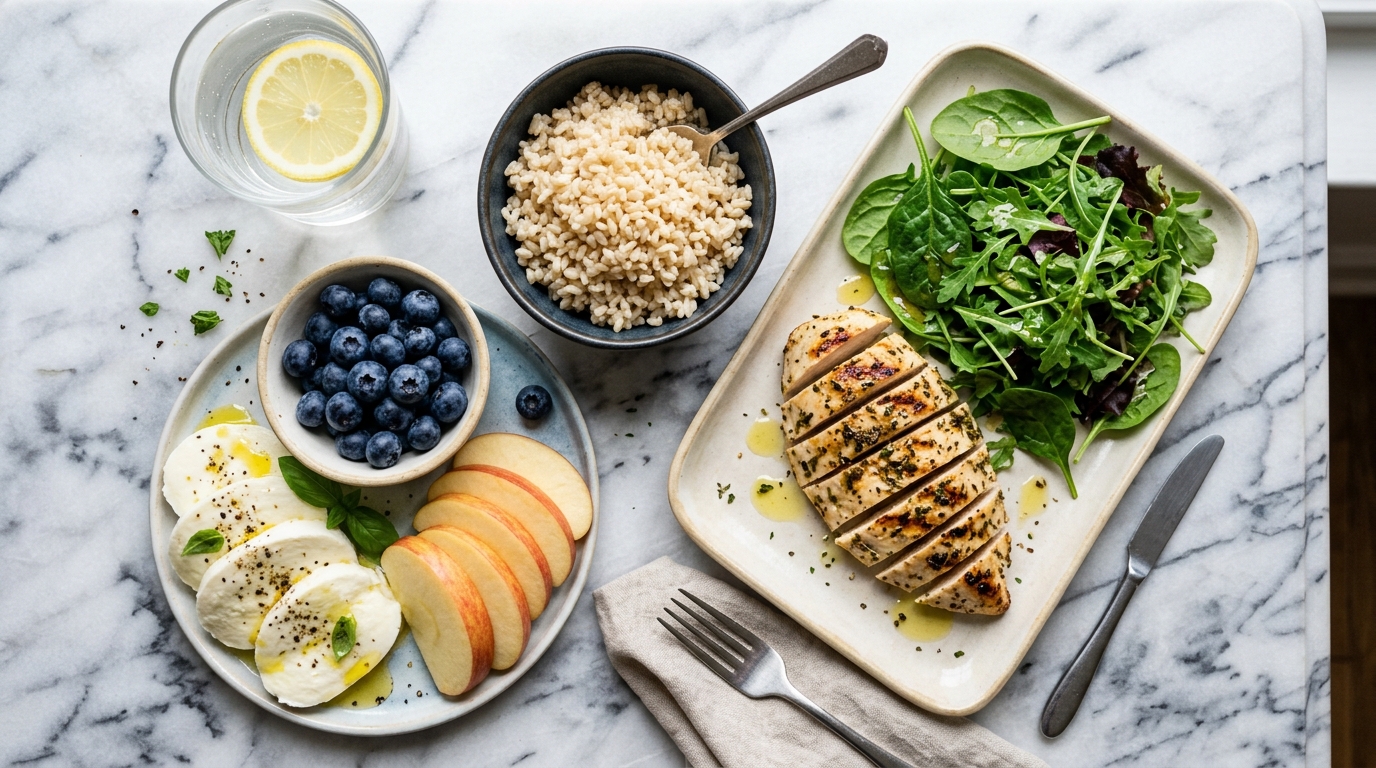
Proteins: Fresh (not aged or processed) chicken, turkey, fish, and eggs. Cooked and eaten the same day.
Grains: Rice, oats, quinoa, most breads (check for additives).
Vegetables: Most are fine — leafy greens, broccoli, carrots, zucchini, sweet potatoes. Watch for tomatoes, spinach, and eggplant if histamine is your issue.
Fruits: Apples, pears, blueberries, grapes. Avoid citrus and strawberries if histamine-sensitive.
Dairy: Fresh mozzarella, ricotta, cottage cheese, milk, butter.
Fats: Olive oil, coconut oil, butter, most cooking oils.
Beverages: Water, herbal teas (especially ginger and peppermint), decaf coffee.
How to Find YOUR Food Triggers
Here's where most people go wrong: they read a list like this and try to avoid everything at once. That's miserable, unsustainable, and unnecessary. Most migraine sufferers have 2-4 actual food triggers, not 30.
The systematic approach works better:
Step 1: Track Before You Eliminate (2 Weeks)
Don't change anything yet. For two weeks, log everything you eat and every headache you get. You're looking for patterns — specifically, which foods show up in the 24 hours before your migraines.
This is where a tracking app like Claru makes a massive difference. Paper food diaries are tedious and people stop filling them in after a few days. Digital tracking sticks because it's faster and the app can flag correlations you'd miss.
Step 2: Identify Your Suspects (1 Week)
Look at your data. Which foods appeared before migraines more than once? Those are your suspects. Usually 2-5 foods will stand out.
Common patterns people discover:
- Red wine + aged cheese together (tyramine double hit)
- Skipped meals + caffeine on an empty stomach
- Processed meat at lunch → headache by evening
- Leftover food from 3+ days ago
Step 3: Elimination Test (2-4 Weeks)
Remove your suspect foods completely for 2-4 weeks. Continue tracking your headaches. If migraine frequency drops, you've found at least one trigger.
Step 4: Reintroduction (1 Food Per Week)
Add suspect foods back one at a time, one per week. If a food triggers a migraine within 24 hours of reintroduction, you've confirmed it. If nothing happens after two exposures, that food is probably safe for you.
Step 5: Build Your Personal Food Plan
Now you know your actual triggers. You can confidently eat everything else on the "risky" list without worry — because you've tested it.
The Dose and Combination Factor
One critical thing that trigger lists never mention: it's often the combination, not a single food.
You might tolerate aged cheese just fine on a normal day. But aged cheese + poor sleep + stress + your period? That combination could push you over your migraine threshold.
This is called the trigger stacking model, and it's how most migraine brains actually work. You don't have a single on/off switch for each trigger — you have a threshold. Each trigger adds weight, and when the total exceeds your threshold, a migraine fires.
That's why tracking everything together matters more than tracking food alone. Sleep, stress, weather, hormones, AND food all contribute to whether you cross that threshold on any given day.
Quick Reference: Foods by Trigger Chemical
| Chemical | High-Risk Foods | Why It Triggers | |---|---|---| | Tyramine | Aged cheese, cured meats, fermented foods, old leftovers | Causes blood vessel constriction then rapid dilation | | Histamine | Red wine, fermented foods, canned fish, citrus, tomatoes | Builds up if DAO enzyme is insufficient | | Nitrates/Nitrites | Hot dogs, bacon, deli meats, sausage | Converts to nitric oxide → vasodilation | | Phenylethylamine | Chocolate, certain fermented foods | Affects cerebral blood flow | | Caffeine | Coffee, tea, energy drinks, soda, chocolate | Withdrawal causes rebound vasodilation | | Aspartame | Diet sodas, sugar-free products | May affect neurotransmitter balance | | Alcohol | Red wine, beer, all alcoholic drinks | Vasodilation + dehydration + congeners |
Track Your Food Triggers With Claru
Finding your personal food triggers is one of the most impactful things you can do for migraine management. But it only works if you track consistently.
Claru makes this easy. Log your meals, track your headaches, and the AI identifies the correlations — including the combination triggers and timing patterns that are nearly impossible to spot on your own. Instead of guessing which foods are causing your migraines, you'll know.
Download Claru and start finding your food triggers — it's free
Sources: Association of Migraine Disorders, American Migraine Foundation, Headache: The Journal of Head and Face Pain, Norton Healthcare, National Headache Institute.