Barometric Pressure Headaches: Why Weather Changes Trigger Migraines
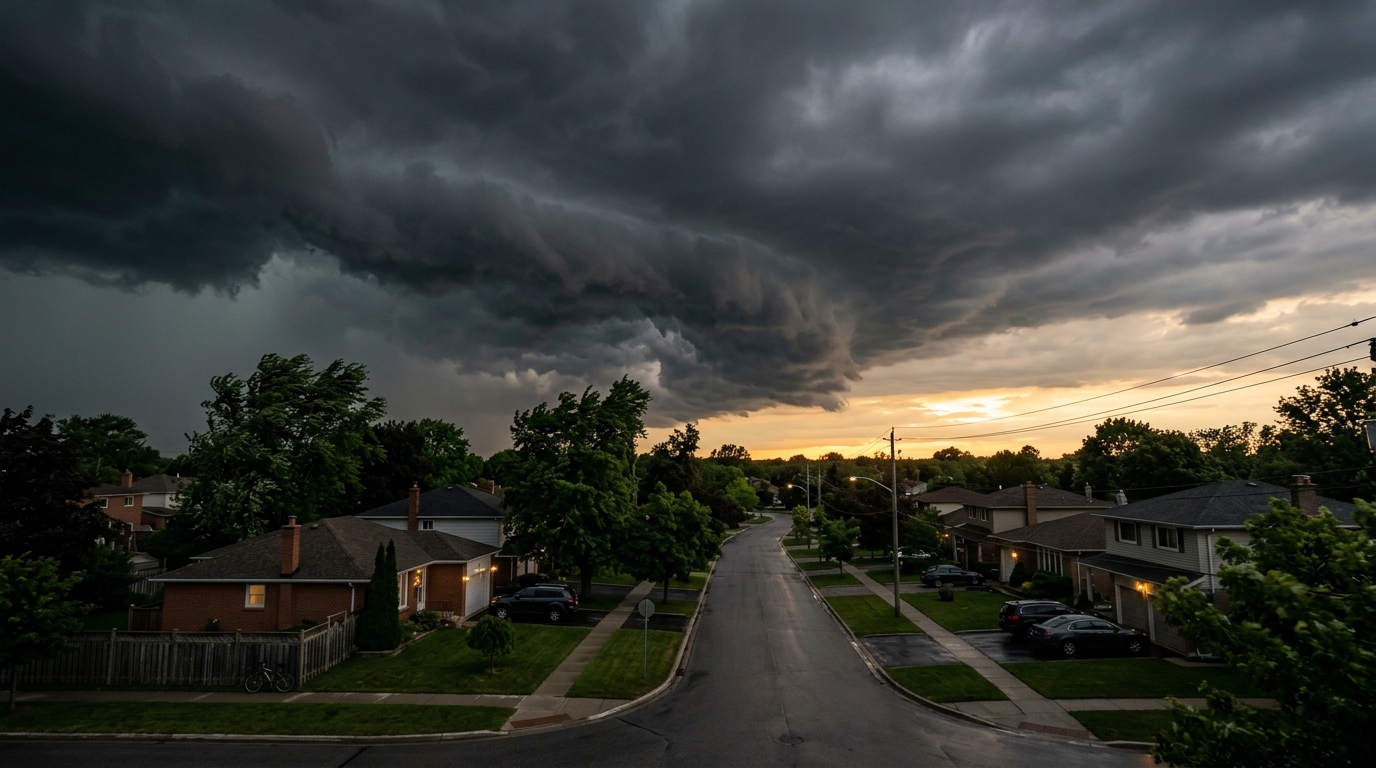
Some people can predict a storm better than their local weather app. Not because they check radar maps — because their head starts pounding 6-12 hours before the first raindrop falls.
If that sounds familiar, you're dealing with barometric pressure headaches. And you're in good company: the American Migraine Foundation reports that over a third of migraine sufferers identify weather changes as a trigger. Some studies put that number closer to 50-75%.
The maddening part? You can avoid food triggers. You can fix your sleep. You can manage stress. But you can't change the weather. So what do you actually do when the atmosphere itself is causing your pain?
More than you think. But first, you need to understand what's happening.
What Is Barometric Pressure (and Why Does Your Brain Care)?
Barometric pressure — also called atmospheric pressure — is the weight of the air above you pushing down. It's measured in hectopascals (hPa) or inches of mercury (inHg). Normal pressure at sea level sits around 1013 hPa (29.92 inHg).
When a weather system moves through — a cold front, a warm front, a storm — the pressure shifts. Sometimes dramatically. A strong storm system can drop pressure by 20-30 hPa in a few hours. Even smaller drops of 5-10 hPa can trigger headaches in sensitive people.
Your brain notices these changes because it's surrounded by fluid — cerebrospinal fluid, blood, sinus cavities filled with air. All of these respond to external pressure shifts.
Think of it like being on an airplane. When the cabin pressure drops during ascent, your ears pop and your sinuses feel tight. A barometric pressure drop does the same thing, just more gradually. For most people, the change is imperceptible. For migraine brains, it's enough to trigger an attack.
How Barometric Pressure Triggers Headaches
Researchers have identified several mechanisms, and it's likely a combination:
Sinus Pressure Imbalance
Your sinuses are air-filled cavities in your skull. When external pressure drops, the air inside your sinuses temporarily has higher relative pressure. This mismatch causes your sinus tissues to swell — creating that heavy, pressing feeling in your forehead and cheeks.
For people with even mild sinus inflammation or allergies, this imbalance is amplified. It's one reason why barometric pressure headaches and sinus headaches are so easily confused.
Blood Vessel Changes
Lower atmospheric pressure allows blood vessels to expand slightly. In migraine-prone brains, this dilation can activate pain receptors in the blood vessel walls and trigger the inflammatory cascade that becomes a migraine.
A 2015 study published in Internal Medicine found that emergency room visits for migraines increased by 7.5% following barometric pressure drops. The most dangerous pattern was a rapid drop followed by a rapid rise within 48 hours.
Trigeminal Nerve Activation
The trigeminal nerve — the main nerve responsible for face and head pain — has branches running through your sinuses, around your blood vessels, and across the meninges (the membrane surrounding your brain). Pressure changes can stimulate any of these branches.
Once the trigeminal nerve fires, it releases inflammatory peptides like CGRP (calcitonin gene-related peptide), which widens blood vessels further and increases pain sensitivity. It's a self-amplifying cycle.
Serotonin Fluctuations
Barometric pressure changes can affect serotonin levels in the brain. Serotonin plays a key role in pain modulation and mood regulation. When serotonin drops — which can happen during a pressure change — your brain's pain threshold drops with it.
This is the same mechanism behind hormonal migraines and helps explain why some people are sensitive to both weather AND hormonal shifts.
For a deeper look at the science behind weather and migraines, including temperature and humidity effects, read our article on the pressure connection.

Are You Actually Weather-Sensitive? How to Know for Sure
Here's a common mistake: assuming weather triggers your headaches just because you heard it can. Confirmation bias is real — you remember the migraines that happened before storms and forget the storms that passed without a headache.
The only way to confirm the connection is data. Here's how to test it:
The 8-Week Weather-Headache Test
What you need: A headache tracking method and access to barometric pressure data for your location.
Step 1: For 8 weeks, log every headache — when it started, how severe it was, and what it felt like.
Step 2: Record the barometric pressure on each day (weather apps like Weather Underground show historical pressure data, or use a home barometer).
Step 3: After 8 weeks, compare your headache days with pressure data. Look for:
- Headaches that started within 6-24 hours of a pressure drop
- Headaches that coincided with pressure changes greater than 5 hPa
- Whether rapid changes affected you more than gradual ones
What you'll probably find: If you're truly weather-sensitive, at least 40-50% of your headaches will correlate with pressure changes. If the number is lower than 20%, weather might be a contributing factor but probably isn't your primary trigger.
Claru automates this entire process. The app pulls local weather data automatically and correlates it with your headache logs — no manual pressure tracking needed. After a few weeks, it can tell you exactly how sensitive you are to pressure changes and what your personal threshold is.
It's Usually Not Just the Pressure
Here's something most weather headache articles miss: barometric pressure rarely acts alone. It's almost always part of a trigger stack.
Weather systems don't just change pressure. They bring:
- Temperature shifts — a 9°F (5°C) increase in temperature raises migraine risk by 7.5%, per a study in Neurology
- Humidity changes — high humidity promotes dehydration; low humidity dries out sinuses
- Wind — can carry allergens and pollutants
- Light changes — the bright glare before a storm, or the dim overcast that disrupts your circadian rhythm
- Sleep disruption — weather changes can fragment sleep, especially temperature swings
On top of that, if you're already dealing with stress, poor sleep, or hormonal fluctuations, a pressure drop might be the factor that pushes you over your migraine threshold — the straw that breaks the camel's back.
This is the trigger stacking model in action. You might tolerate a 10 hPa pressure drop just fine on a good day. But the same pressure drop during your period, after a bad night's sleep, when you skipped lunch? That's a different equation.
We explain trigger stacking in more detail in our guide on foods that cause migraines — the same principle applies to all migraine triggers.
What Actually Helps: Practical Strategies
You can't stop a storm front. But you can prepare for it and reduce its impact.
1. Check the Forecast — Strategically
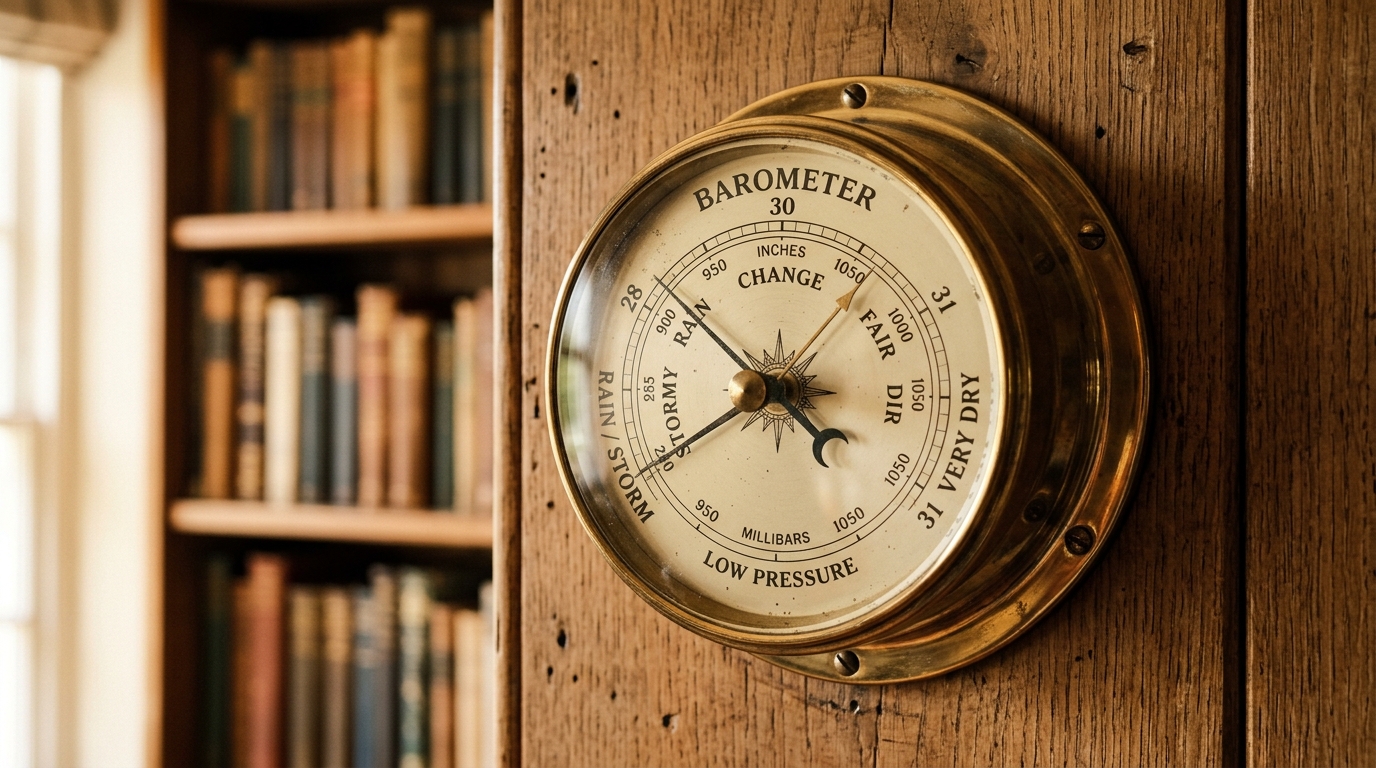
Not the regular forecast. The pressure forecast. Most weather apps show barometric pressure if you look for it, but what you really want is the trend — is pressure rising, falling, or stable?
When to go on alert:
- Pressure dropping more than 5 hPa in 6 hours
- A weather front approaching within 24-48 hours
- Rapid pressure fluctuations (up-down-up pattern)
- Transition between seasons (spring and fall are worst)
If you know a pressure drop is coming, you can take preventive steps hours before the headache starts.
2. Stay Ahead of Dehydration
Weather changes increase your baseline dehydration risk. The day before and during a pressure change, bump up your water intake by 2-3 extra glasses. Add electrolytes if you're exercising or it's hot.
This sounds too simple to matter, but dehydration lowers your migraine threshold. Staying well-hydrated during a pressure shift can be the difference between a headache and a near-miss.
3. Preemptive Medication
If your doctor has prescribed preventive or abortive migraine medication, weather alerts are your cue to use them. Many triptans and NSAIDs work significantly better when taken before the migraine fully develops.
Talk to your doctor about a "weather protocol" — a specific plan for what to take when you know a pressure change is coming. Some neurologists prescribe this explicitly for weather-sensitive patients.
4. Control What You Can on High-Risk Days
When pressure is dropping, don't add other triggers on top of it:
- Sleep consistently — don't stay up late the night before a storm
- Eat regular meals — skipping meals compounds the trigger load
- Avoid your known food triggers — the glass of red wine before a cold front is asking for trouble
- Reduce screen time — especially in changing light conditions
- Move your body — gentle exercise like walking can help stabilize serotonin levels
5. Manage Your Indoor Environment
You can't control the atmosphere, but you can control your indoor air:
- Humidifier or dehumidifier — maintain indoor humidity between 30-50%
- Air purifier — reduces airborne irritants that weather changes can stir up
- Temperature control — keep your bedroom cool and consistent
- Blackout curtains — manage the light changes that accompany weather shifts
6. Consider Supplements (With Your Doctor's Input)
Some supplements have evidence for reducing weather sensitivity:
- Magnesium (400-600mg daily) — helps stabilize blood vessels and nerve function. The most-studied migraine supplement overall.
- Riboflavin (B2) (400mg daily) — reduces migraine frequency in some people
- CoQ10 (100-300mg daily) — may help reduce the frequency of attacks
These aren't overnight fixes — most need 2-3 months of consistent use before showing results. And they're supplements, not replacements for medical treatment.
The Seasonal Pattern
Barometric pressure headaches aren't evenly distributed through the year. Most people notice them more during:
Spring (March–May): Rapid weather system transitions, wide temperature swings, and allergen surges create a perfect storm of triggers.
Fall (September–November): Similar transition weather with dropping temperatures and pressure instability.
Winter storms: Major cold fronts and blizzards cause dramatic pressure drops.
Summer thunderstorms: Pre-storm pressure drops combined with heat and humidity.
If you track your headaches over a full year, you'll likely see seasonal clusters. Knowing your worst season lets you prepare — more aggressive hydration, stricter trigger avoidance, and medication readily available.
Quick Reference: Barometric Pressure and Headaches
| Factor | Impact | What to Do | |---|---|---| | Pressure drop > 5 hPa | Moderate migraine risk | Hydrate, prepare medication | | Pressure drop > 10 hPa | High migraine risk | Full prevention protocol | | Rapid drop + rapid rise | Highest risk pattern | Be proactive with all strategies | | Temperature swing > 9°F | Increased migraine risk | Control indoor environment | | High humidity + pressure drop | Compounding risk | Dehumidifier, extra hydration | | Spring/Fall transitions | Peak season for pressure headaches | Plan ahead for the season |
Track the Weather Connection With Claru
Barometric pressure headaches are uniquely frustrating because the trigger is invisible and out of your control. But knowing your personal sensitivity pattern changes everything.
Claru automatically integrates local weather data — barometric pressure, temperature, humidity, and air quality — with your headache logs. You don't need to manually check pressure readings or keep a paper diary. The app correlates weather patterns with your migraines and, over time, can predict high-risk days before they hit.
When you know a bad weather day is coming, you can act hours in advance instead of reacting after the pain starts. That's the difference between managing your migraines and being managed by them.
Download Claru and start tracking your weather triggers — it's free
Sources: American Migraine Foundation, Kimoto et al. (2015) "Influence of barometric pressure on migraine" in Internal Medicine, Mukamal et al. (2009) "Weather and air pollution as triggers of severe headaches" in Neurology, Cleveland Clinic, PBS News.