Barometric Pressure Headache: Causes and Relief
By the Claru Editorial Team
This educational article has not been independently medically reviewed. It cannot diagnose a condition or replace care from a qualified healthcare professional. Read our editorial standards.
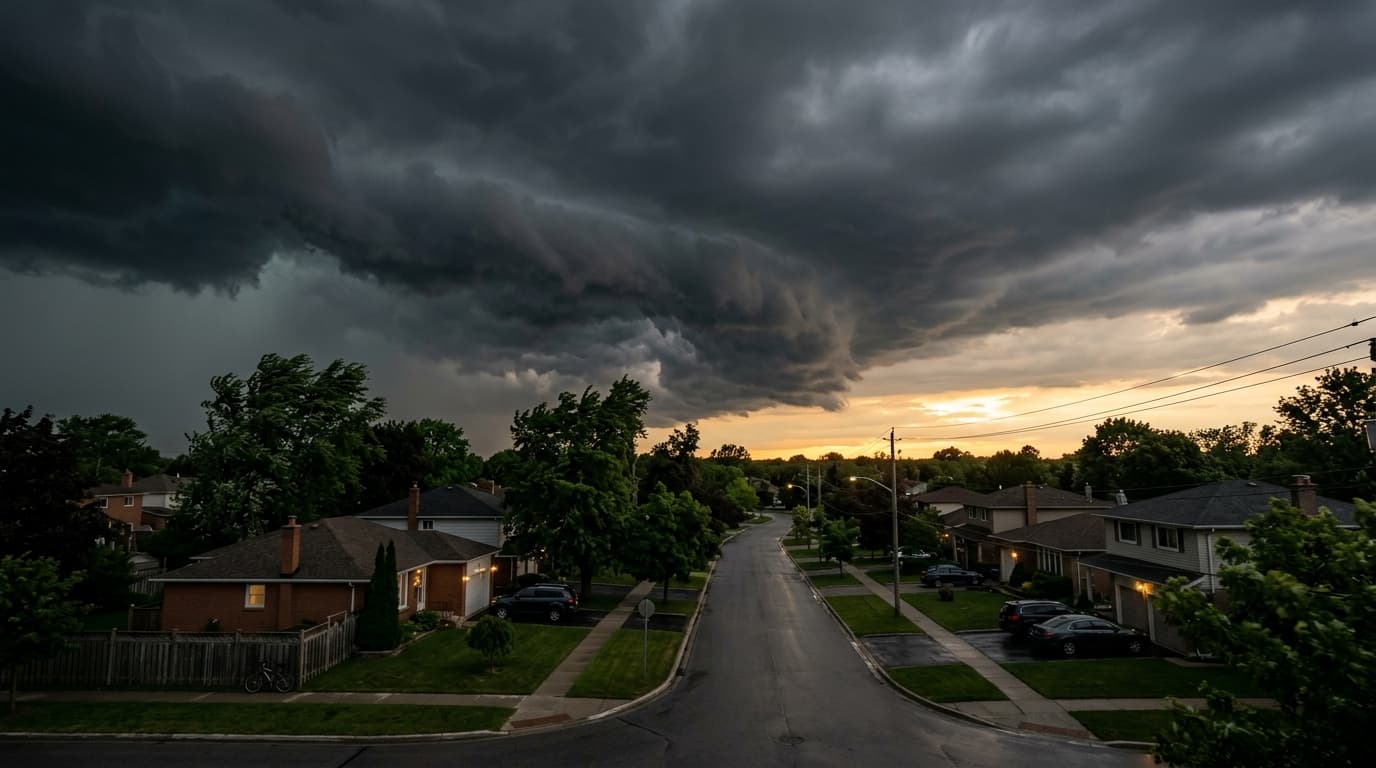
Can barometric pressure cause a headache or migraine? Some people report attacks around weather and pressure changes, and research suggests an association in some groups. But a “barometric pressure headache” is not a diagnosis, and weather data cannot prove that pressure caused a particular attack. The useful next step is to track the pattern over time and discuss repeated or changing headaches with a clinician.
The evidence is mixed. A 2025 systematic review found that several studies linked pressure drops or rapid fluctuations with more migraine attacks, while study methods and results varied substantially. A separate review emphasized that weather effects differ from person to person and do not establish a cause.
That uncertainty is frustrating, but it makes a careful diary more useful than a universal pressure threshold.
This is our main guide to pressure and migraine. For a free forecast of pressure swings where you live, try the migraine weather forecast tool. For other weather factors, see weather and migraine: heat, humidity and air quality; for a simple log, see the weather migraine log guide.
What Is Barometric Pressure (and Why Does Your Brain Care)?
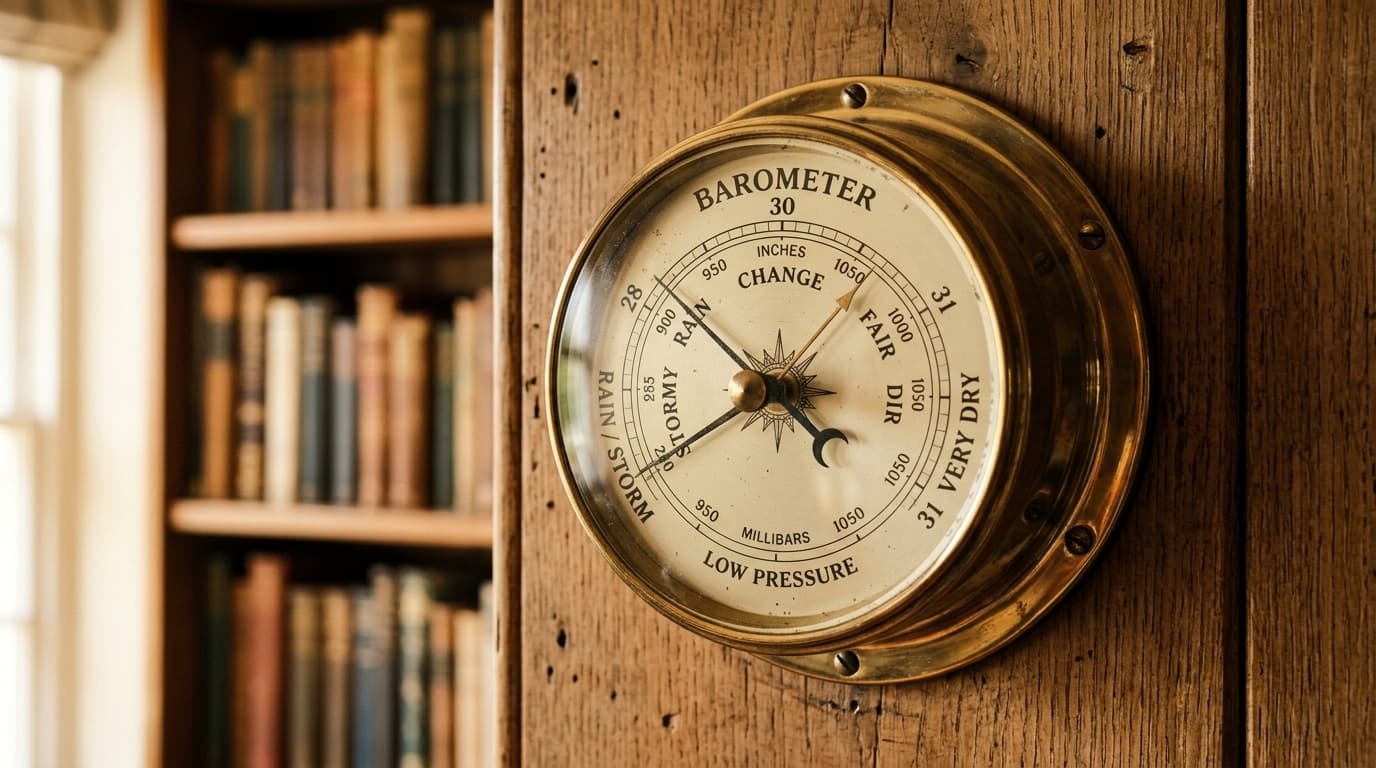
Barometric pressure — also called atmospheric pressure — is the weight of the air above you pushing down. It's measured in hectopascals (hPa) or inches of mercury (inHg). Normal pressure at sea level sits around 1013 hPa (29.92 inHg).
When a weather system moves through — a cold front, a warm front, or a storm — the pressure can shift. The size and direction of a change that matters, if any, varies by person; research has not established a universal trigger threshold.
People can notice pressure changes in different ways—for example, ear or sinus pressure during air travel. That experience does not identify the cause of a headache or establish weather sensitivity.
What Research Does — and Does Not — Show
Weather variables travel together: pressure, temperature, humidity, wind, light, allergens, and changes in routine can all shift at once. That makes it hard for research—or an app—to isolate one cause.
Studies have found associations between some weather variables and migraine or headache in some populations. They have not established one pressure value, one direction of pressure change, or one timing window that predicts attacks for everyone.
This distinction matters:
- Weather may be one possible association for you.
- A recurring pattern is worth bringing to a clinician.
- A pressure change does not prove the cause of an individual headache.
- New, severe, or unusual symptoms still need medical assessment regardless of the forecast.
For a deeper look at the science behind weather and migraines, including temperature and humidity effects, read our article on the pressure connection.

Are You Actually Weather-Sensitive? How to Know for Sure
Here's a common mistake: assuming weather triggers your headaches just because you heard it can. Confirmation bias is real — you remember the migraines that happened before storms and forget the storms that passed without a headache.
A diary cannot confirm that weather caused an attack, but it can help you test whether a pattern repeats:
A practical weather-and-headache diary
What you need: A headache tracking method and access to barometric pressure data for your location.
Step 1: For at least 8 weeks, log every headache day and, when possible, clear days too. Record start time, duration, severity, symptoms, treatment response, sleep, meals, hydration, stress, illness, and cycle context.
Step 2: Add weather context from one consistent local source, such as whether pressure was rising, falling, or stable. Record temperature and humidity too if they are available.
Step 3: Review the diary for repeated patterns, including weather changes that happened without a headache. This comparison helps avoid treating every storm as evidence.
Bring the diary—not a self-diagnosed threshold—to a care conversation. It gives a clinician more context without overstating what the data can show.
Claru can help organize headache entries alongside available weather context. It cannot establish that weather caused an attack or reliably predict an individual attack.
It's Usually Not Just the Pressure
Here is the important practical point: weather rarely changes in isolation.
Weather systems don't just change pressure. They bring:
- Temperature and humidity changes
- Wind, allergens, and air quality
- Light changes
- Sleep disruption or a routine change
- Skipped meals, dehydration, stress, or illness
On days with stress, poor sleep, hormonal fluctuations, or other changes, a pressure shift may be one more piece of context to record rather than an explanation to assume.
This is a useful “trigger stacking” lens: a weather change may be one context among several, and the mix can be different from one person or day to the next.
We explain trigger stacking in more detail in our guide on foods that cause migraines — the same principle applies to all migraine triggers.
What Actually Helps: Practical Strategies
You can't stop a storm front. But you can prepare for it and reduce its impact.
1. Check the Forecast — Strategically
If your diary suggests a recurring weather association, check the pressure trend alongside the regular forecast. Most weather apps show whether pressure is rising, falling, or stable.
Avoid treating a universal number or a weather alert as a diagnosis. Use your own repeated diary pattern and your clinician's care plan.
2. Stay Ahead of Dehydration
If heat, exercise, alcohol, vomiting, diarrhea, or reduced fluid intake are part of the day, drink steadily and follow any clinician guidance that applies to you. Add electrolytes only when appropriate for your situation; some health conditions and medicines can affect that decision.
Hydration may be useful context to track, but it does not prove the reason a headache occurred.
3. Preemptive Medication
If your clinician has prescribed acute or preventive migraine medication, follow the timing in that plan. Do not take an extra or early dose solely because of a weather alert unless your prescriber has explicitly told you to do so.
4. Control What You Can on High-Risk Days
On days when your own diary suggests weather may be relevant, keep the rest of your routine as steady as you reasonably can:
- Sleep consistently — don't stay up late the night before a storm
- Eat regular meals — skipping meals compounds the trigger load
- Avoid your known food triggers — the glass of red wine before a cold front is asking for trouble
- Reduce screen time — especially in changing light conditions
- Move your body if it feels safe and comfortable — choose the activity level that fits your symptoms and care plan
5. Manage Your Indoor Environment
You can't control the atmosphere, but you can control your indoor air:
- Humidifier or dehumidifier — use one for comfort if it helps you; there is no universal indoor setting that prevents migraine
- Air purifier — reduces airborne irritants that weather changes can stir up
- Temperature control — keep your bedroom cool and consistent
- Blackout curtains — manage the light changes that accompany weather shifts
6. Consider Supplements (With Your Doctor's Input)
Magnesium, riboflavin, and CoQ10 have been studied for migraine prevention, but evidence does not establish that they specifically prevent weather-related attacks. Ask a clinician or pharmacist about product quality, interactions, and an appropriate dose before starting a supplement.
Seasonal patterns
Some people notice a seasonal pattern, but it is not universal. A diary can show whether particular times of year repeatedly overlap with your attacks:
Spring (March–May): Note transitions, temperature swings, and seasonal allergies if they overlap with your symptoms.
Fall (September–November): Track whether changing temperatures or routines overlap with attacks.
Winter storms: Record weather context alongside sleep, illness, hydration, and activity changes.
Summer thunderstorms: Heat, humidity, and changes in fluid intake can be useful context to note.
If a pattern appears over time, use it to prepare practical supports—regular meals, sleep, hydration, and the treatment plan you have agreed with a clinician.
Quick Reference: Barometric Pressure and Headaches
- Pressure trend: Compare it with both headache days and clear days. Look for repeated timing, not a single threshold.
- Temperature and humidity: Record sleep, exercise, and hydration alongside them because these factors often shift together.
- Routine changes: Include meals, caffeine, stress, and illness so weather is not assumed to be the only explanation.
- Seasonal changes: Review several months of entries and discuss a repeated pattern with a clinician.
Track the Weather Connection With Claru
Barometric pressure headaches are uniquely frustrating because the trigger is invisible and out of your control. But knowing your personal sensitivity pattern changes everything.
Claru can help organize headache logs and available weather context in one place, so you have a clearer record for a care conversation. It does not diagnose weather sensitivity, prove a cause, or replace clinical advice.
If you already have a clinician-approved plan for recurring migraine, follow that plan rather than changing medication solely because a forecast changes.
Download Claru and start tracking your weather triggers — it's free
Sources: Farah et al. (2025), systematic review of barometric pressure and migraine, Li et al. (2025), weather and migraine meta-analysis, Denney et al. (2024), review of weather and migraine, Mukamal et al. (2009), weather and severe headache study, and American Migraine Foundation migraine resources. Last reviewed September 23, 2026.